
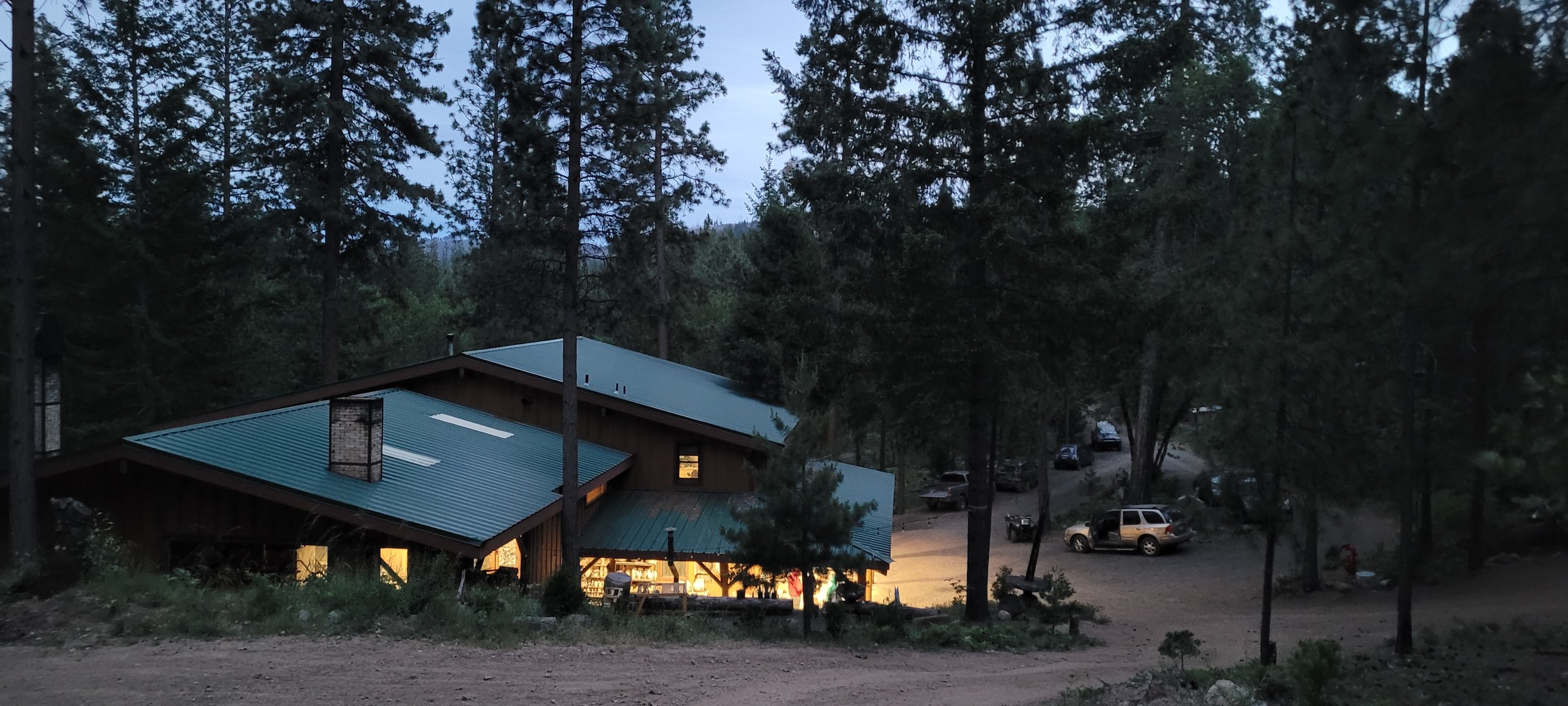
RESIDENCY OVERVIEW
CMAEP Artist Residency Program
The Cobb Mountain Art and Ecology Project offers short and long-term residencies for both emerging and established ceramic artists. CAMEP provides dedicated studio space, access to electric, gas, soda, and wood-fired kilns, and a supportive community of working artists. Our program aims to foster an environment where artists can exchange knowledge, explore materials, and dedicate time to their ceramic practice.
All residencies are self-funded by the artist. $1,200 / month rent includes fully furnished housing, utilities, Wi-Fi, private or semi-private studio space, and access to kilns and other studio equipment. Long-term and wood-fire residents may be eligible for work-trade opportunities to help offset the cost of rent. More information about work-trade can be found below.
In addition to housing and studio access, CMAEP residents have opportunities to:
Online Gallery: Sell works through the CMAEP online shop
Open Houses & Other Events: Display and sell their work during CMAEP open houses, conferences, invitationals, and other special events.
Kiln Firings & Workshops: Participate in workshops and organize group firings.
Artist Community: Become part of an active community of makers, learning from each other and visiting artists
CMAEP offers three residency types:
Short-term Residency:
Duration: 1-3 Months, typically during June, July, and/or August.
Cost: $1,200 per month. Short-term residents are not eligible for work-trade.
Long-term Residency:
Duration: 10-12 Months starting in July, August, or September. Long-term residents may reapply for consecutive residency years.
Cost: $1,200 per month. Long-term residents are eligible for work-trade to reduce the cost of rent.
Wood-fire Residency:
Duration: 12 Months starting in September. Wood-fire residents may reapply for consecutive residency years.
Cost: $1,200 per month. Wood-fire residents are eligible for work-trade to reduce the cost of rent.
Wood-fire residents should have some experience with wood-firing. They are expected to participate in and work towards leading shifts during wood-firing workshops. They assist in wood management and other related projects.
Work-Trade
To help offset the cost of rent, Long-term and Wood-fire residents are eligible for work-trade. 4 hours per week reduces rent to $950 / month and 8 hours per week reduces rent to $700 / month. Our admin team will help new residents to create a work-trade plan before they arrive.
Residents participating in work-trade are required to attend weekly Monday-morning meetings and block off the first half of that day to work on tasks. Work tasks change seasonally and are typically labor intensive. Responsibilities include, but are not limited to:
Physical labor maintaining the forest including brush clearing and burning, and invasive plant species eradication
Using the splitter or an axe to prepare firewood is an ongoing task; this is often much of the work needed.
Tending to food gardens including weeding, planting, and maintaining.
General landscaping; weed-whacking, raking, etc.
Assisting in construction projects on-site or in the studio.
Some other less frequent tasks may be helping with the website or online gallery, preparing for events, assisting workshops, and maintaining communal spaces in the studio.
FAQ
If you would like a comprehensive overview of our residency program, associated costs, rental agreement, and other details, you can check out our Resident Handbook. Please note our handbook is a living document which is subject to change over time. Common questions that may not be answered in the handbook:
-
All residencies cost $1,200 per month. This rent includes fully furnished housing, utilities & wifi, a private or semi-private studio, and access to kilns and workshop firings. Work-trade opportunities are available to Long-term and Wood-fire residents to reduce the cost of rent. More information about Work-trade can be found above and in our Resident Handbook.
Residents are responsible for all other costs of living such as food, hand soap, household cleaners, toilet paper, laundry detergent, ect. Residents who live in shared housing often coordinate to share these costs.
Clay, other ceramic materials, and firing costs are also the responsibility of the artist.
-
It varies greatly person-to-person.
Most of our residents participate in work-trade and find part-time work in the three nearest towns. Customer service and food-service jobs are typical. Many people save up some money before they arrive so they have time to find a job.
Residents may also sell work through our online gallery and in-person sales. Some are able to make a living just from selling their pottery, typically with additional sales outside of CMAEP.
-
Currently, CMAEP is not able to accommodate residents who wish to bring a partner with them. Definitely a possibility in the future as the program and amenities/housing expand.
-
Absolutely! There are many dogs and cats that live on the property.
Aggressive or ill-behaved animals may be asked to live elsewhere.