
 Image 1 of 3
 Image 2 of 3
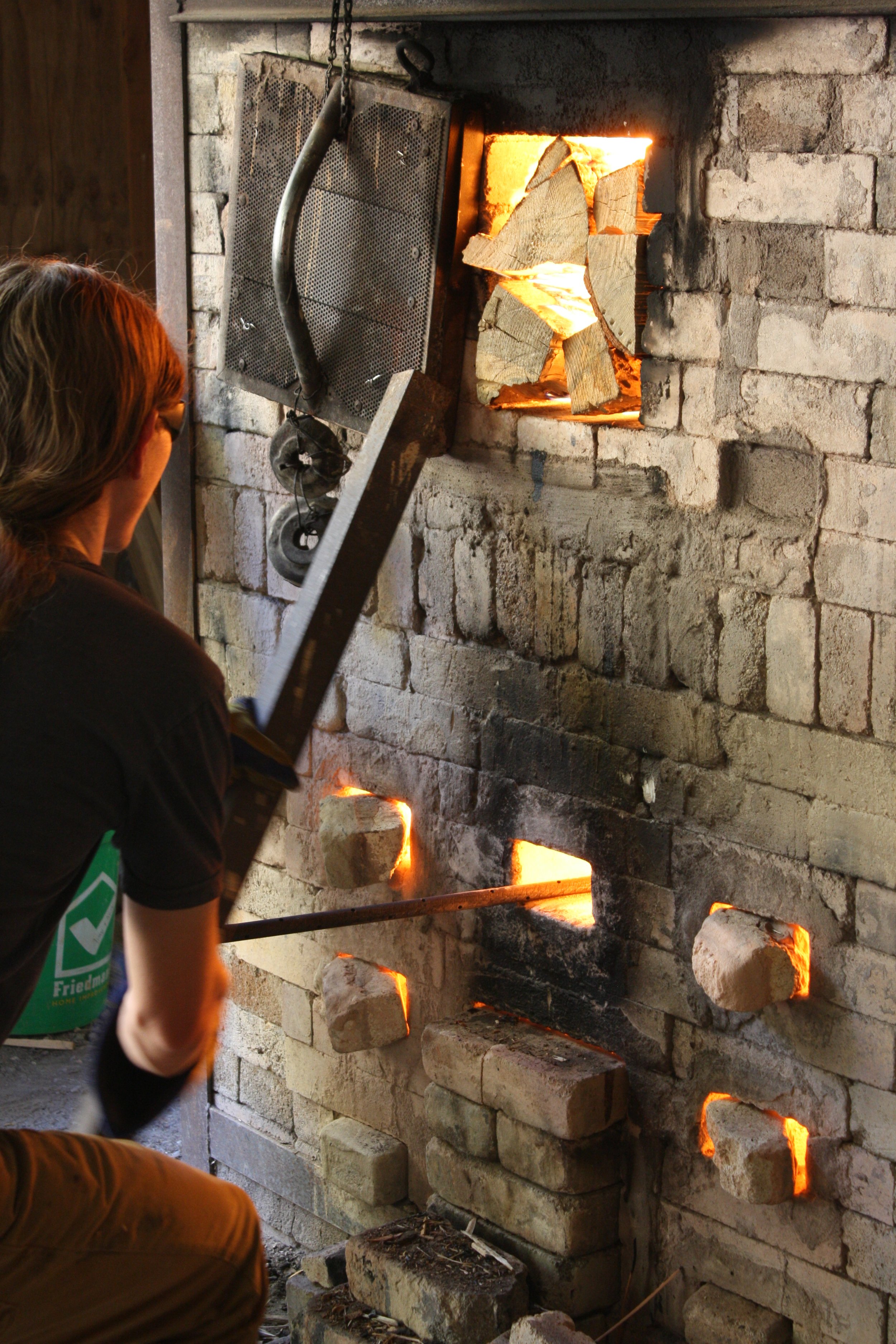 Image 3 of 3
(WAITLIST) Manzanita Madness 2.0 July Train Firing with Scott Parady | July 1 - 6 & 11
Our guest wood returns for a second installment of the manzanita firing in our 60 cubic foot train style kiln led by CMAEP director, Scott Parady! In this firing, we will be focusing on the use of manzanita wood as one of the primary fuel sources to fire the kiln with, seeking to further understand the properties of the manzanita natural ash glaze.
Schedule:
Wednesday, 7.1, 2pm: Prep day begins.
Thursday, 7.2:
8 - 9am: Arrive and unload work.
9am: Meeting. Scott will go over glazing and the firing. Begin loading to follow.
After dinner: Begin candling kiln.
Friday, 7.3 - Monday 7.6: Fire kiln
Friday, 7.10, 9am: Unload kiln. Lunch potluck and talk about work. Clean up to follow.
Included in this workshop:
In depth instruction from Scott Parady, resident artists and CMAEP members on the process of preparing for woodfiring, loading the kiln, firing the kiln, processing wood, unloading, and cleaning the kiln.
Access to our glazes, slips, and wadding.
2 cubic feet of work in the kiln with the ability to purchase more space if available. Extra space is $65 per cubic foot with workshop registration.
Free camping through the duration of the firing and during unloading is included with registration, see the shop tab to purchase additional camping nights. When camping, you have access to a hot shower and bathroom.
24/7 access to a fridge, microwave and electric kettle.
Access to the loft kitchen and dining space from 8am - 10pm. The kitchen is fully stocked with cooking utensils, pots, pans and dishes. Please bring any cooking ingredients you need.
Experience: No prior kiln firing experience is required for this course.
Participation:
Participants may come and go during the firing while not on shift or helping with wood prep. Please note this is not a pick-up and drop-off firing service and participants are expected to assist with prep, loading and unloading, wood prep, clean-up and kiln shifts. You will be able to sign-up for kiln shifts after the meeting on loading day. There will always be an experienced lead person on shift.
This firing workshop is an all hands on deck endeavor and your participation is mandatory. For this workshop, we ask that you sign up for 2-4, 6 hour firing shifts and 2-3, 2 hour wood splitting shifts. Clean up is mandatory after the kiln is unloaded.
Clay Bodies:
Much of the outcome in atmospheric firings depends on the clay body. It is important to use clays which are highly refractory. All clay bodies must be Cone 10 or higher. No low-fire or mid-range clays, they will melt in the kiln and make a HUGE mess of everyone’s work and our kilns. The train kiln can get up to cone 12 and is held at high temperatures for several days. Avoid dark or iron rich clay bodies as they may slump, dunt or bloat. Suggested clays we have had success with are WSO, Porcelains, Bmix Woodfire, White stoneware.
What to make:
A variety of shapes and sizes is strongly encouraged, this will make for better load and firing results! Please avoid bringing ONLY cups and bowls, appropriate spaces for these forms are limited and if you do so some of your work will likely not make it into the kiln. A percentage of your work will be placed in areas in or near the coal beds and stoking areas. Steer clear from plates and platters as these tend to be hard to fit and often warp in firing. Tall and thin, always in, and round and bulbous shapes are great for certain spots.
How much work to bring:
This workshop includes two cubic feet of work in the kiln. We do recommend bringing extra pieces to fire, this gives some flexibility when loading and ensures you get a good amount of work in the kiln. It is essential that participants be flexible on the placement of work in the kiln. The loading lead artist must be able to load the kiln in a way that ensures best results for all participants. If you go beyond the amount of prepaid kiln space you can purchase more while here, if it is available. Additional kiln space is $65 per cubic foot. (For members it is $65 for the first 5 cubic feet and $50 per cubic foot beyond that.) When measuring the cubic feet of an object we also take into account the amount of space that is needed around an object. If you have questions about cost and measurements we advise that you get an estimate onsite before the loading.
To get an idea of how much work to bring, you may measure out a space and measure your work before leaving. Example: measure out a space that is 24” x 12” and stack work within that space to be on average 6” tall - this will equal about 1 cubic foot. When measuring the cubic space of an object we also take into account the amount of space that is needed around an object and the wadding that lifts the piece higher and off of the shelf by about ¼” - 2”.
What to bring: Closed toe shoes, cotton clothing, work gloves, eye protection, respirator or mask, hearing protection (optional).
Handbook:
If you are looking for additional information on the workshop, please read through our woodfiring handbook. This will also be sent to you prior to the workshop beginning.
Workshop Cancellation & Refund Policy:
In the event of cancellation by the registrant up to 45 days prior to the date of the event you will receive a refund of your purchase amount minus a $100 administrative fee, or $50 administrative fee to transfer into another available workshop. No refund will be given within 45 days of the workshop.
Waitlist:
Send us an email if you would like to be added to the waitlist.
Our guest wood returns for a second installment of the manzanita firing in our 60 cubic foot train style kiln led by CMAEP director, Scott Parady! In this firing, we will be focusing on the use of manzanita wood as one of the primary fuel sources to fire the kiln with, seeking to further understand the properties of the manzanita natural ash glaze.
Schedule:
Wednesday, 7.1, 2pm: Prep day begins.
Thursday, 7.2:
8 - 9am: Arrive and unload work.
9am: Meeting. Scott will go over glazing and the firing. Begin loading to follow.
After dinner: Begin candling kiln.
Friday, 7.3 - Monday 7.6: Fire kiln
Friday, 7.10, 9am: Unload kiln. Lunch potluck and talk about work. Clean up to follow.
Included in this workshop:
In depth instruction from Scott Parady, resident artists and CMAEP members on the process of preparing for woodfiring, loading the kiln, firing the kiln, processing wood, unloading, and cleaning the kiln.
Access to our glazes, slips, and wadding.
2 cubic feet of work in the kiln with the ability to purchase more space if available. Extra space is $65 per cubic foot with workshop registration.
Free camping through the duration of the firing and during unloading is included with registration, see the shop tab to purchase additional camping nights. When camping, you have access to a hot shower and bathroom.
24/7 access to a fridge, microwave and electric kettle.
Access to the loft kitchen and dining space from 8am - 10pm. The kitchen is fully stocked with cooking utensils, pots, pans and dishes. Please bring any cooking ingredients you need.
Experience: No prior kiln firing experience is required for this course.
Participation:
Participants may come and go during the firing while not on shift or helping with wood prep. Please note this is not a pick-up and drop-off firing service and participants are expected to assist with prep, loading and unloading, wood prep, clean-up and kiln shifts. You will be able to sign-up for kiln shifts after the meeting on loading day. There will always be an experienced lead person on shift.
This firing workshop is an all hands on deck endeavor and your participation is mandatory. For this workshop, we ask that you sign up for 2-4, 6 hour firing shifts and 2-3, 2 hour wood splitting shifts. Clean up is mandatory after the kiln is unloaded.
Clay Bodies:
Much of the outcome in atmospheric firings depends on the clay body. It is important to use clays which are highly refractory. All clay bodies must be Cone 10 or higher. No low-fire or mid-range clays, they will melt in the kiln and make a HUGE mess of everyone’s work and our kilns. The train kiln can get up to cone 12 and is held at high temperatures for several days. Avoid dark or iron rich clay bodies as they may slump, dunt or bloat. Suggested clays we have had success with are WSO, Porcelains, Bmix Woodfire, White stoneware.
What to make:
A variety of shapes and sizes is strongly encouraged, this will make for better load and firing results! Please avoid bringing ONLY cups and bowls, appropriate spaces for these forms are limited and if you do so some of your work will likely not make it into the kiln. A percentage of your work will be placed in areas in or near the coal beds and stoking areas. Steer clear from plates and platters as these tend to be hard to fit and often warp in firing. Tall and thin, always in, and round and bulbous shapes are great for certain spots.
How much work to bring:
This workshop includes two cubic feet of work in the kiln. We do recommend bringing extra pieces to fire, this gives some flexibility when loading and ensures you get a good amount of work in the kiln. It is essential that participants be flexible on the placement of work in the kiln. The loading lead artist must be able to load the kiln in a way that ensures best results for all participants. If you go beyond the amount of prepaid kiln space you can purchase more while here, if it is available. Additional kiln space is $65 per cubic foot. (For members it is $65 for the first 5 cubic feet and $50 per cubic foot beyond that.) When measuring the cubic feet of an object we also take into account the amount of space that is needed around an object. If you have questions about cost and measurements we advise that you get an estimate onsite before the loading.
To get an idea of how much work to bring, you may measure out a space and measure your work before leaving. Example: measure out a space that is 24” x 12” and stack work within that space to be on average 6” tall - this will equal about 1 cubic foot. When measuring the cubic space of an object we also take into account the amount of space that is needed around an object and the wadding that lifts the piece higher and off of the shelf by about ¼” - 2”.
What to bring: Closed toe shoes, cotton clothing, work gloves, eye protection, respirator or mask, hearing protection (optional).
Handbook:
If you are looking for additional information on the workshop, please read through our woodfiring handbook. This will also be sent to you prior to the workshop beginning.
Workshop Cancellation & Refund Policy:
In the event of cancellation by the registrant up to 45 days prior to the date of the event you will receive a refund of your purchase amount minus a $100 administrative fee, or $50 administrative fee to transfer into another available workshop. No refund will be given within 45 days of the workshop.
Waitlist:
Send us an email if you would like to be added to the waitlist.